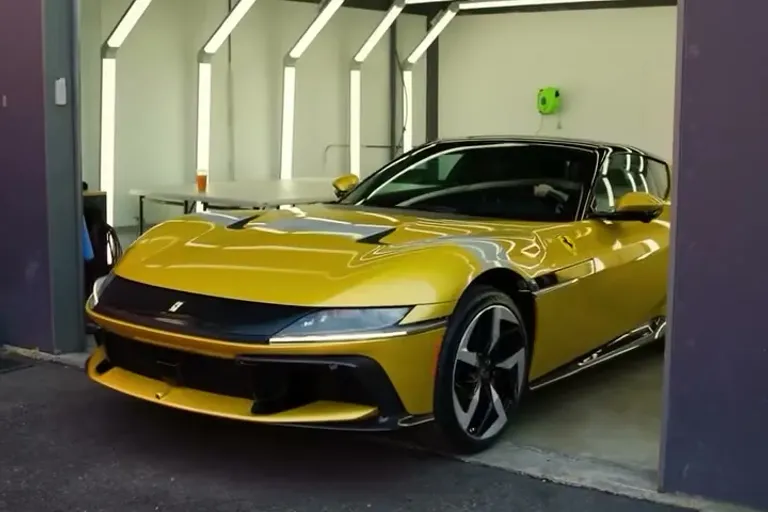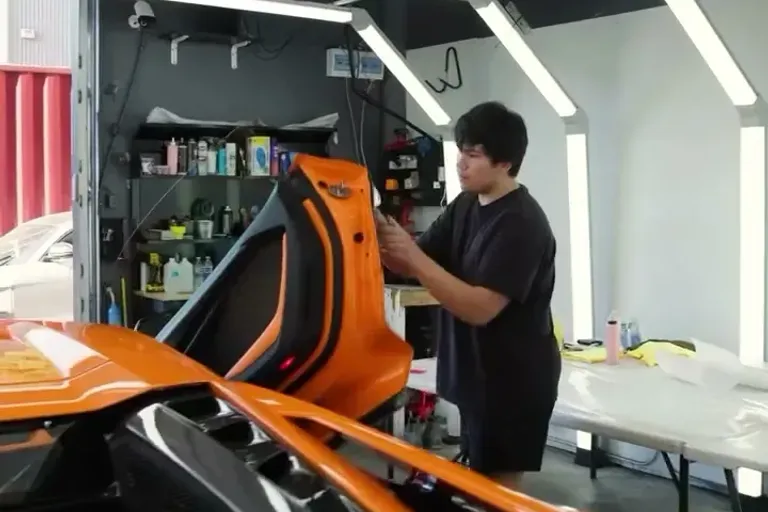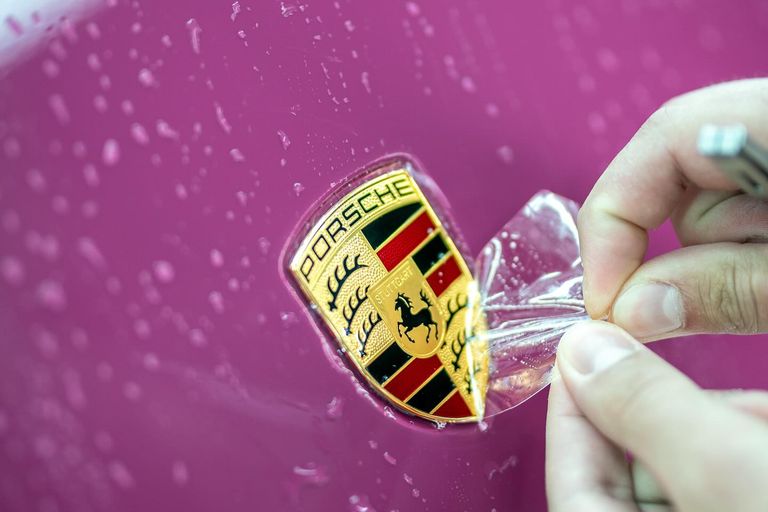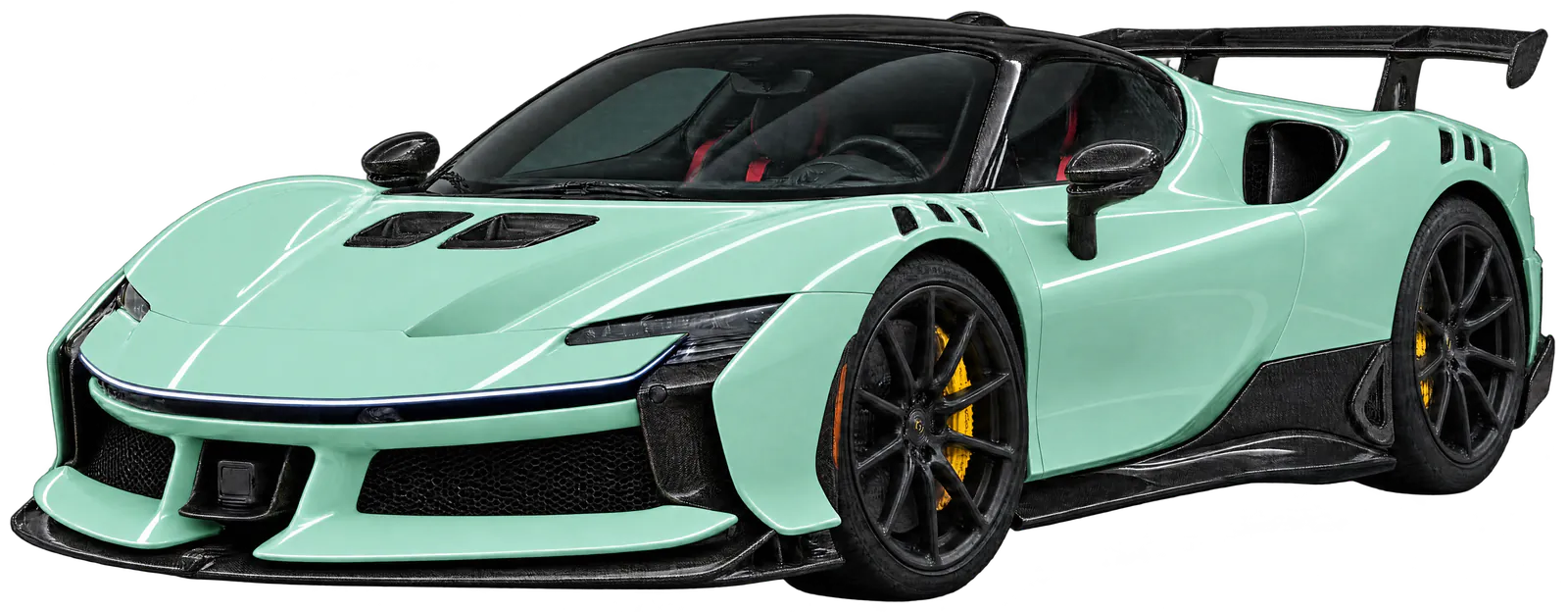

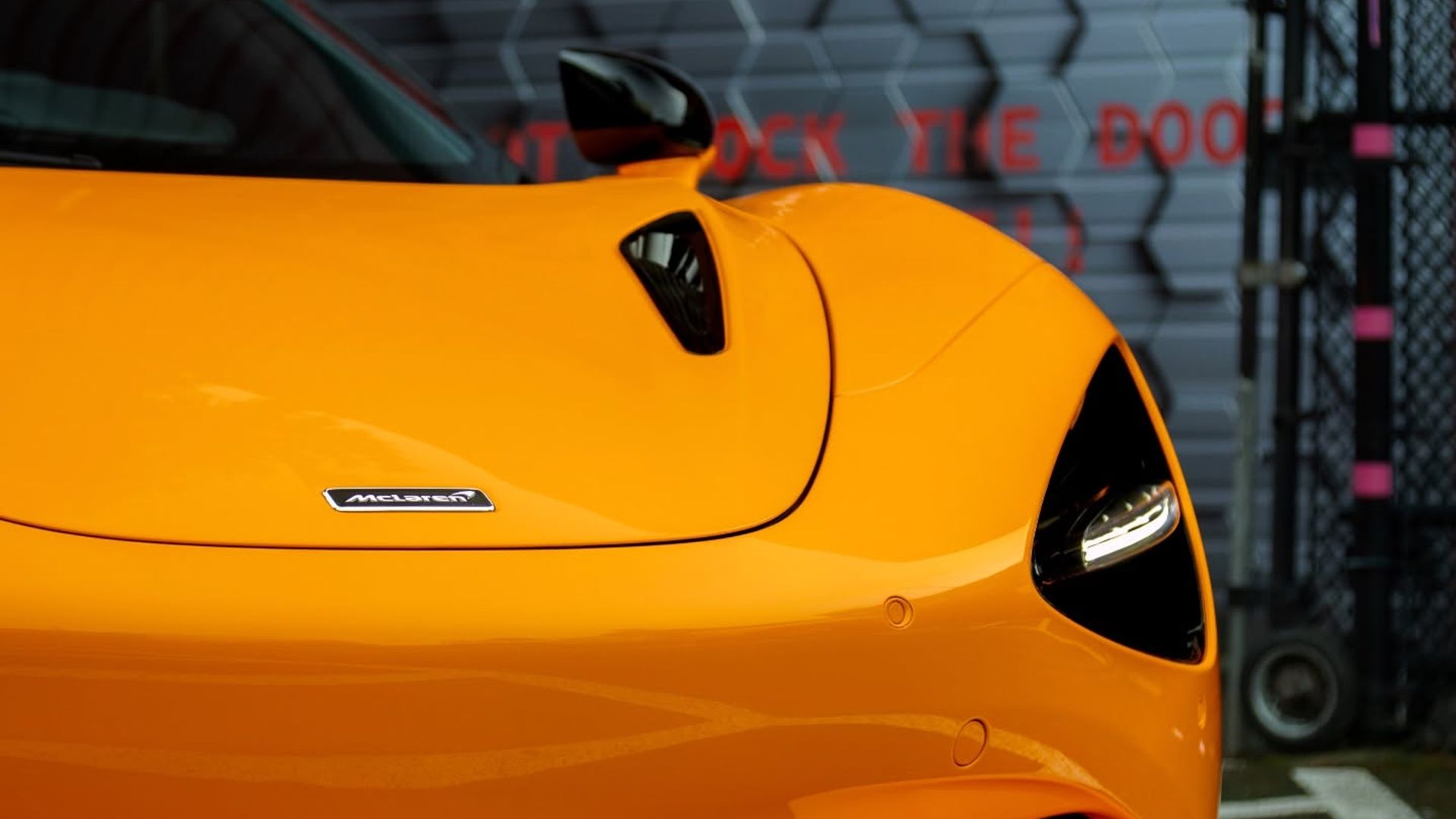
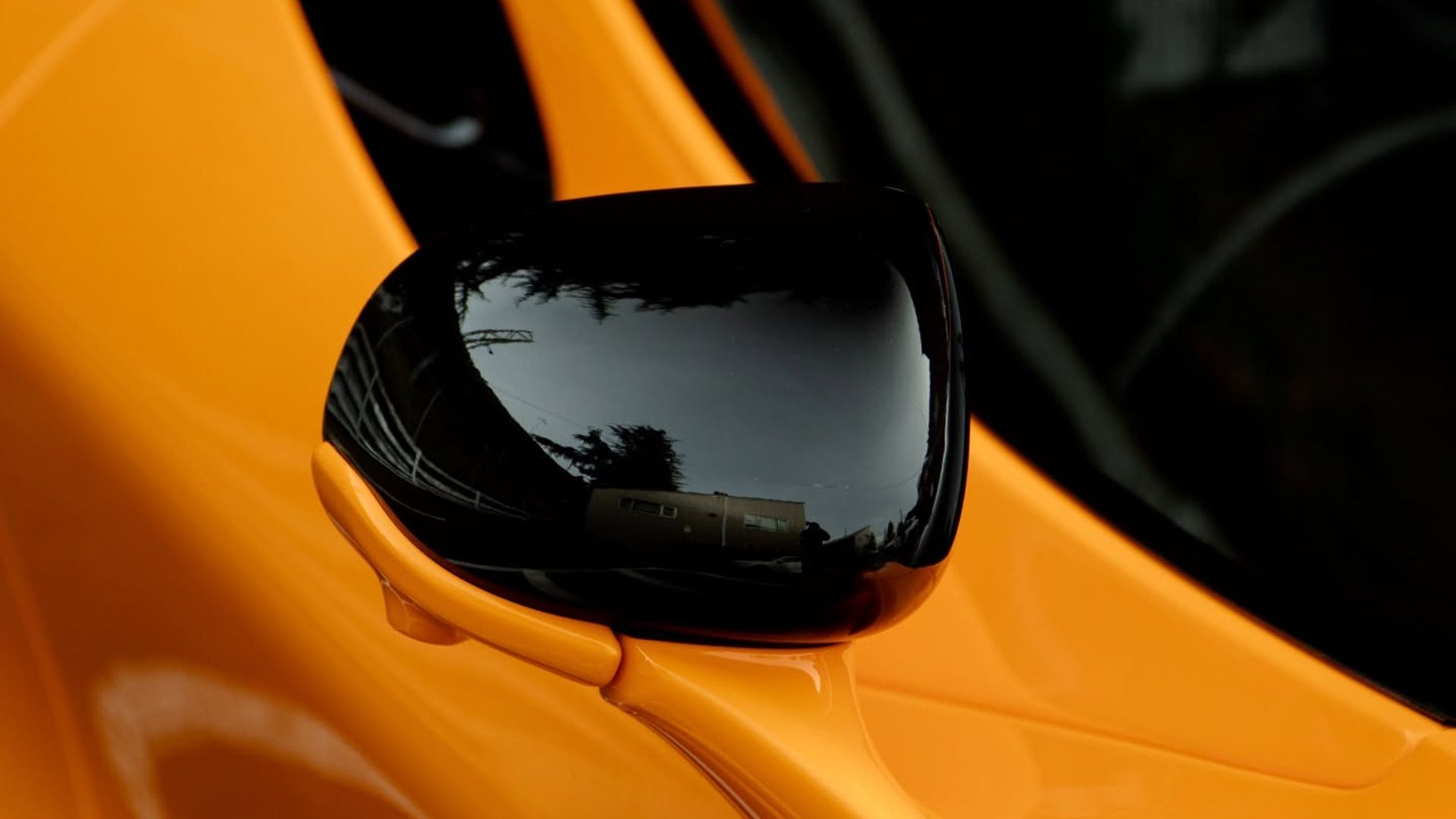
EMWRAPS protected this McLaren 750S with full body gloss PPF from UNITY USA, ceramic window tint, a windshield protection film and a full Gtechniq ceramic coating at our Seattle shop in SODO. The goal was protection nobody can see. As we put it on this build: "If you can't notice what we did on the 750S, that means we are good."
- Vehicle: McLaren 750S
- PPF: full body gloss PPF from UNITY USA on every painted surface
- Window tint: ceramic film on all side and rear windows
- Windshield: nearly clear windshield protection film against rock chips
- Ceramic coating: full Gtechniq coating applied over the PPF
- Time in shop: 4 full days
- Shop: EMWRAPS, Seattle (SODO)
What is the PPF, tint and ceramic stack?
The stack is three products with three jobs. PPF stops physical damage, ceramic tint handles heat and UV coming through the glass, and a ceramic coating keeps the film glossy and easy to clean.
The 750S is a $310,000+ supercar with 740 horsepower, a twin-turbo V8 and some of the most complex body lines on the road. The owner wanted full protection without changing the factory finish.
Why put a ceramic coating on top of PPF?
PPF and ceramic coating protect against different things, so together they cover more than either one alone. The full comparison is in our guide to PPF vs ceramic coating.
- PPF, a clear self-healing urethane film about 8 mil thick, takes the rock chips, scratches, bug impacts and road debris.
- The ceramic coating adds water beading, UV resistance and resistance to contaminants, and makes the film easier to wash.
On a car at this level, the whole stack costs a fraction of one paint repair. Repainting a single McLaren panel can run $5,000–$15,000.
Why is PPF on a McLaren harder than on most cars?
McLaren bodywork has more edges, vents and moving parts than most cars. The 750S brought five main challenges:
- Dihedral doors: the upward-swinging doors create complex panel transitions that need perfectly aligned film edges.
- Carbon fiber monocoque: exposed carbon elements need careful handling during installation.
- Active aero: the rear wing and front splitter move, so film edges must allow for that movement.
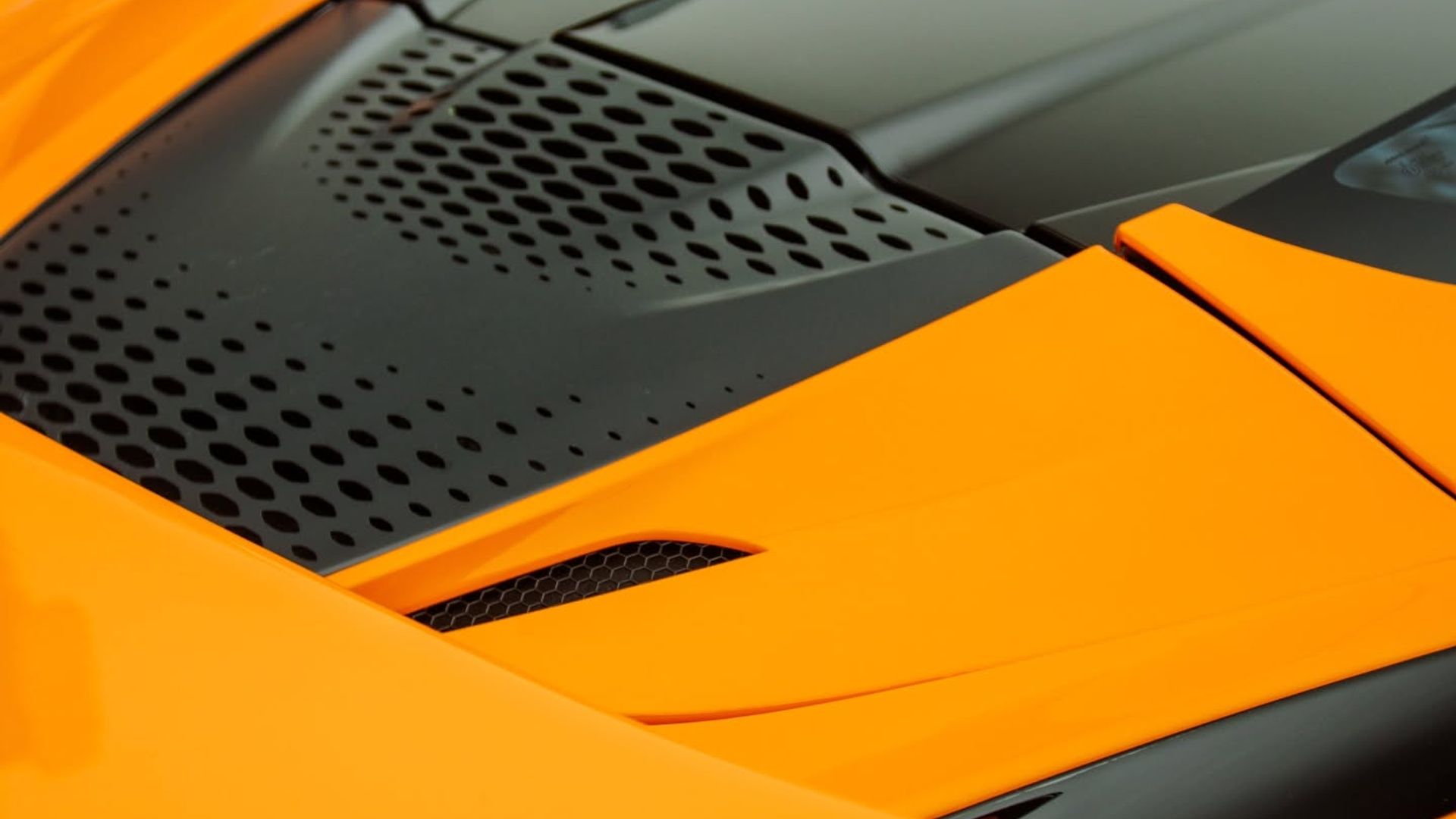
- Engine venting: the side intakes and rear engine cowl are complex 3D surfaces that need hand-trimming.
- Low ride height: at 4.7 inches, the front end catches everything the road throws at it.
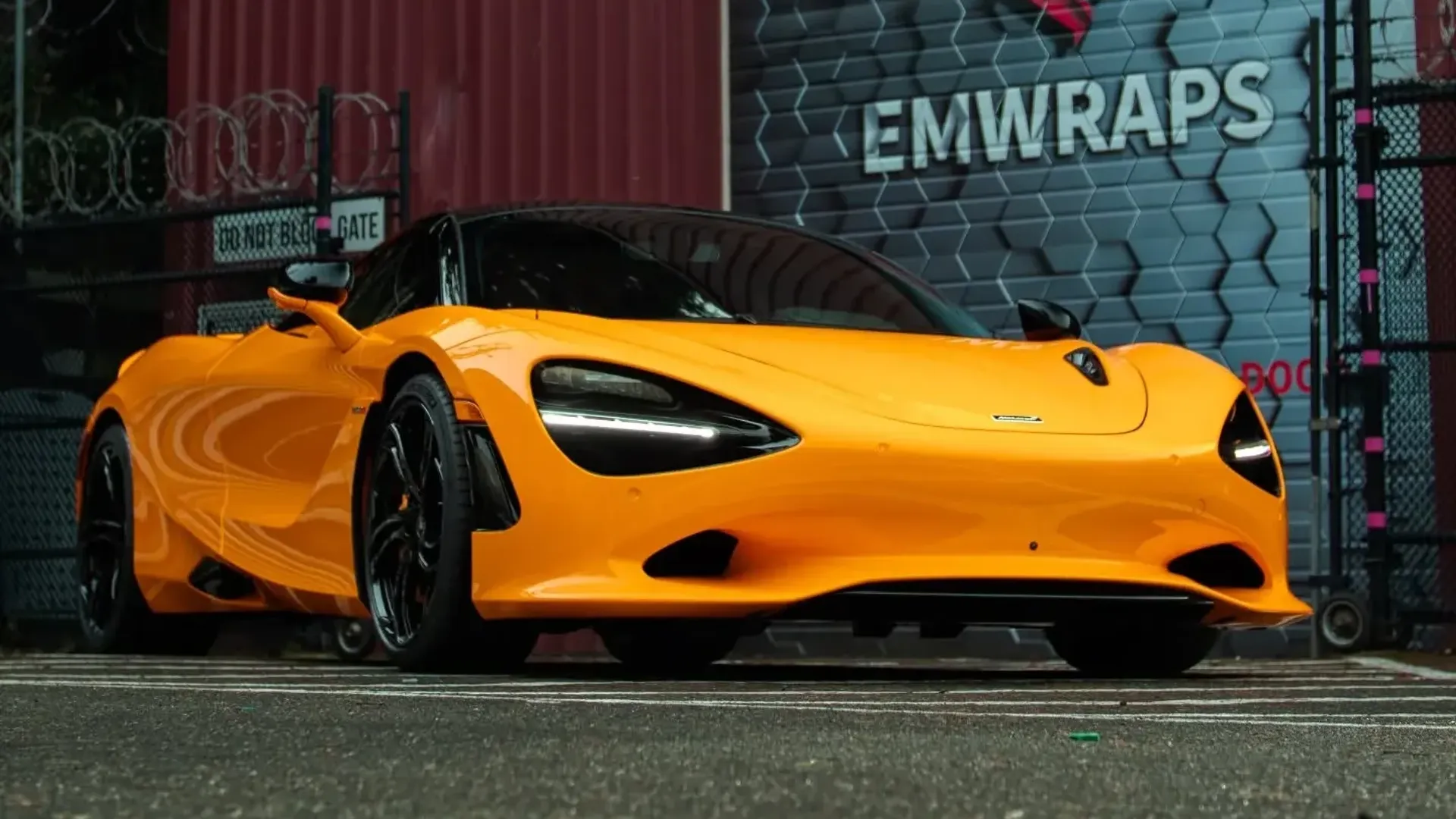
Our installers spent 4 full days on this car. Every panel was individually templated, cut and applied, with several hours spent around the engine intakes and vents alone.
What does ceramic window tint do on a McLaren?
Ceramic tint keeps the cabin cooler and protects the interior without making the car look blacked out. On this 750S it blocks harmful UV to protect the Alcantara interior and rejects up to 99% of infrared heat, which matters in a car with this much glass. The shade adds privacy without a "limo dark" look.
Washington law requires at least 24% VLT on the side and rear windows of cars, so we pick shades that stay legal. Options are on our ceramic window tint page.
The windshield got a separate, nearly clear protection film that absorbs rock chip impacts. On a car this low, rocks thrown by trucks and lifted vehicles are a constant threat.
How does the finished car look?
It looks like nothing was done, which is the point. The PPF is optically clear, the ceramic coating enhances the factory gloss without changing it, and the tint looks factory.
The owner can now drive the car on canyon roads, highways and in the rain without worrying about rock chips, UV fading or a hot cabin. With the Gtechniq coating over the film, a quick rinse brings back full gloss.
How much does PPF, tint and ceramic cost together?
The triple stack is our most complete protection package, and the price depends mostly on the vehicle:
- Standard sedan or coupe: $6,000–$10,000
- Luxury and performance vehicles: $8,000–$12,000
- Exotic supercars such as McLaren, Ferrari and Lamborghini: $10,000–$18,000+
Each part can also be bought on its own, including full body PPF and ceramic coating. The final price depends on the car's size, shape and paint condition, and comes with a quote.
Frequently asked questions
How long does full body PPF take on a McLaren 750S?
This McLaren 750S took 4 full days of full body PPF work, with every panel templated, cut and applied. Full body PPF generally takes 4–5 days at EMWRAPS. Supercars with active aero, dihedral doors and complex vents need the most careful edge work.
Is a ceramic coating over PPF worth it?
For most owners, yes. A ceramic coating over PPF adds gloss, an easy-wash surface and UV protection. At EMWRAPS, ceramic over film runs $500 to $800: the lower end as the last step of a new full body PPF install, the higher end for film already on the car, including a full detail and decontamination.
How do I wash a car with PPF and a ceramic coating?
Wait 48 hours after the install before the first wash. After that, hand wash with a pH-neutral shampoo. A car with PPF and a ceramic coating releases dirt easily, so a rinse and a gentle hand wash bring the gloss back without a clay bar or polish.
Protect your car at EMWRAPS
Whether you drive a McLaren, a Porsche or a daily commuter, we recommend the protection that fits how you drive. Get a quote through the quote form, which we answer within 24 hours, or call (206) 383-5328.